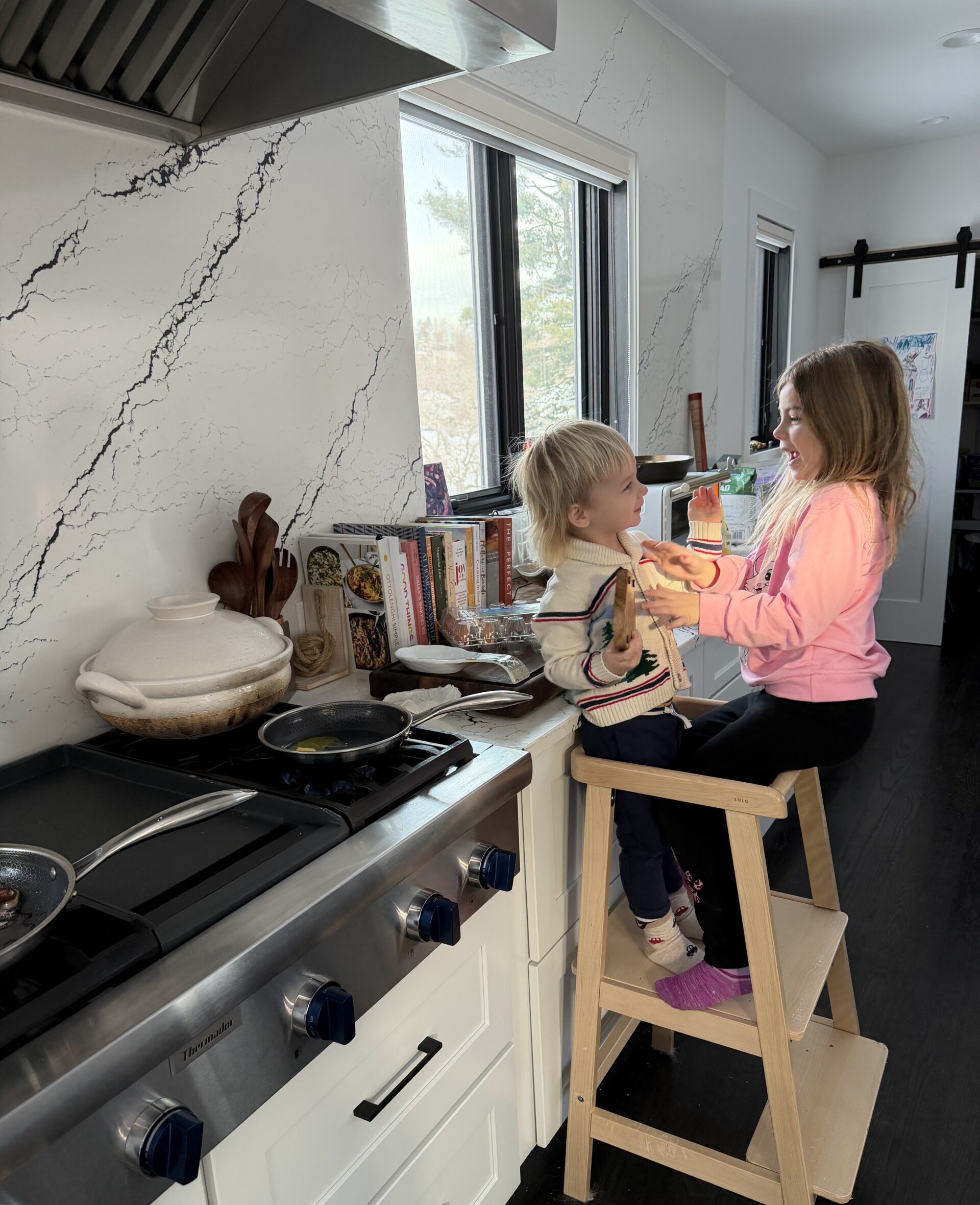
“Really? You don’t have any homework?” I gave my daughter a pointed look. Avoiding my eyes, she crouched to pet our puppy. “Well,” she said. “Maybe some math.” Hmm. That’s what I thought. But as she continued to rub the dog’s belly, I knew getting homework done right away might be a challenge.
There will always be distractions—from the warm weather to the lure of YouTube on another tab. But as kids get older and homework becomes more of a regular thing, developing a homework habit is essential for school success. Here’s how to improve homework habits with 5 good ways to equip your child.
1. Compromise on the time, but make sure it’s not too late.
Talk with your child about a good start time. Having structure to the day will help improve homework habits. But maybe your child first needs an hour to play.
Younger kids tip: To avoid homework battles, start homework earlier than later and make sure he’s had a snack. If your child gets frustrated with an assignment, you’ll both have more patience.
Older kids tip: As the night goes on, kids’ brains start to slow down, and work takes longer to complete. So, if possible, establish an earlier homework time so kids can wind down and relax before getting in bed.
2. Suggest a pre-homework check.
Depending on your child’s age, you could say, “Let’s look at your planner” or “Tell me what you have to do tonight.” Initiating a conversation and looking over the homework together is one way to get the ball rolling.
Younger kids tip: Sometimes the hardest part of doing homework is starting. Say, “How about doing five minutes of math facts (or spelling, reading, etc.)?” Once she starts, she may want to keep going.
Older kids tip: Unloading her bag, plugging in her laptop, and opening her notebook may be the equivalent of stretching before a race. Once she’s warmed up, she may feel ready to go. But if you only suggested a quick setup, stick to your word. She’s more likely to come back to it if she knows she’s the one in control.
3. Ask if they’d like any suggestions or reminders about how to do something.
Before I step away, I like to offer some help. It’s easier for kids to ask for or accept help when it’s right in front of them.
Younger kids tip: If he says he can’t do it, he may be in fight-or-flight mode, and his brain has shut down. Parenting expert Tanith Carey says, “Empathize, but make it clear that her feelings don’t apply to everything, for all time.” You could say, “You’re feeling frustrated right now. It’s OK.” Then try to break down the task with him into small doable steps.
Older kids tip: It might be tempting to do the assignment for him, but don’t. You don’t want to send the message that he isn’t capable. Instead, sit with him for moral support and to answer quick questions.
4. Use a timer to teach time management.
For kids who have a lot of homework or trouble sitting still and focusing, timers are super useful. For us, 30-minute sessions, followed by a 5–10-minute break work well.
Younger kids tip: If your child feels stuck, or seems to give up, you may start to feel frustrated with her. But tell her it takes courage to keep trying and that feeling stuck is temporary. Your support will help her persevere through self-doubt, says Carey.
Older kids tip: An older child may not want to stop when a timer buzzes, but encourage her to do so. Stepping away from her work can reinvigorate her, fire up her muscles, and send oxygen to the brain, so when she returns, she feels fresh and ready to begin again.
5. Be available, but let them do it themselves.
I like to pass through the room while my child does homework, so he sees I’m around. Wanting to know how to improve homework habits for your kid might start with being present and noticing how he works. It keeps him on task and also gives him the opportunity to ask questions.
Younger kids tip: Reframe her struggle “as a sign her brain is growing,” says Carey. Just as her muscles get stronger by doing difficult work, so does her brain. Don’t give more help than she needs so she doesn’t lose the opportunity to learn and grow stronger.
Older kids tip: When kids stress about a tough assignment, we may get worked up too. But staying calm will give your child the assurance that he can do this tough stuff. When you’re not worried, your child grows more confident in his ability because he sees you believe in him.
To keep track of your child’s writing and give her a little extra handwriting practice, print out our Reading Log to keep at her work station.
How to do homework: what are your suggestions to make homework a habit?