Her name was Tracie. We met on the bus on the first day of school. And she tormented me all year. She’d pinch my arm and hiss threats in my ear. Once, she spat a piece of candy in my hair. I never told my parents. So, when my daughter started school, I worried about the Tracies she might encounter. But mostly I worried she’d keep it a secret from me.
Bullying is one of our top concerns as parents, and for good reason. Elementary school is when kids are developing social skills and learning how to build friendships. It’s also when bullying often begins, making early intervention crucial. Whether your child is being bullied or doing the hurting, it can leave you feeling helpless. But you’re not. Here’s how to spot the signs, start the right conversations, and guide your child through it.
How can I tell if my child is being bullied?
Many kids don’t speak up about bullying, but you can watch for clues, such as unexplained bruises or injuries, torn or missing belongings, frequent headaches or stomachaches (sometimes to avoid school), trouble sleeping, anxiety, sadness, and withdrawing from friends or family. More subtle clues can include wanting to change schools (or be homeschooled) or mentioning a “friend” who leaves her out or puts her down.
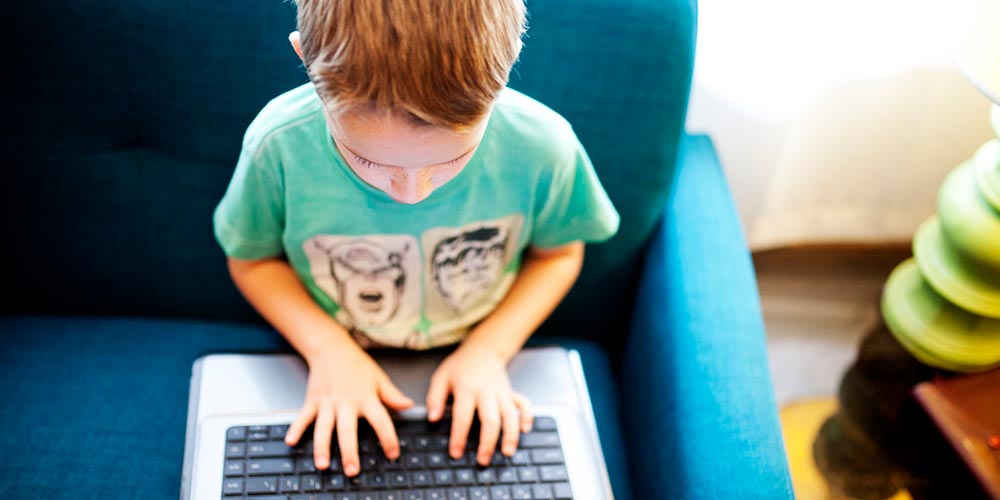
Bullying can happen online, too. Elementary kids can experience online exclusion through class group chats or gaming platforms. In those cases, you might also notice your child suddenly reluctant to use devices she once enjoyed. Trust your gut. If something feels off, lean in and gently start a conversation.
What should I do if my child is being bullied?
If your child is being bullied (or you suspect it), listen with care, offer steady support, and work with your child’s school to help keep your child safe. Start by creating a safe space to talk. You might find your child opens up in the car, on a walk, or at bedtime. Ask open-ended questions, like “What was the best and worst part of your day?” or “Tell me about lunch/recess today.”
When your child shares, listen fully before trying to fix it. Say, “That sounds really hard. I’m so glad you told me.” Make sure your child knows you’re on his team, and you’ll face this together. Then, help your child practice confident responses, such as saying “stop” firmly or walking away to find a trusted adult.
If it happens at school, work with your child’s teacher and school counselor. Schools have policies and resources to keep kids safe. Document incidents with dates and details. Check in regularly with both your child and school to track progress. Help rebuild your child’s confidence through activities he enjoys, arrange hangouts with supportive friends, and consider role-playing different scenarios at home.
How can I tell if my child is bullying others?
Your child might be bullying if she brags about excluding others, makes mean jokes, or shows little empathy when someone is hurt. And, yes, it’s tough to consider that sometimes our children might be the ones doing the bullying. But, bullying behavior doesn’t mean a child is a “bad kid.” Even kind, wonderful kids can show bullying behavior when they’re struggling.
You might hear concerns from a teacher or another parent. If you do, listen openly. Bullying often signals that children are dealing with insecurity, stress, or big emotions they don’t know how to handle. And it’s a sign they need our guidance and support.
What should I do if my child is the bully?
If your child is bullying, take a deep breath, stay calm, and remember that bullying behavior doesn’t make your child a bad kid. Reacting with anger or shame won’t help your child grow. Start a firm but supportive conversation. Try saying, “I heard you were unkind to another child. Can you tell me what happened?” or “How were you feeling at the time?” Listen to understand, not just to correct. Be clear: “Bullying isn’t OK. Everyone deserves to feel safe.”
Set firm boundaries about treating others with kindness. Build empathy by talking about how others might feel. Partner with the school to ensure consistent consequences and support. Follow up with regular check-ins. Help your child develop genuine friendships and practice conflict resolution skills at home.
Whether your child is being bullied or is struggling with bullying behavior, your steady love, guidance, and willingness to lean in can help your child grow through even the hardest moments. Have you faced bullying with your child? What helped you most?