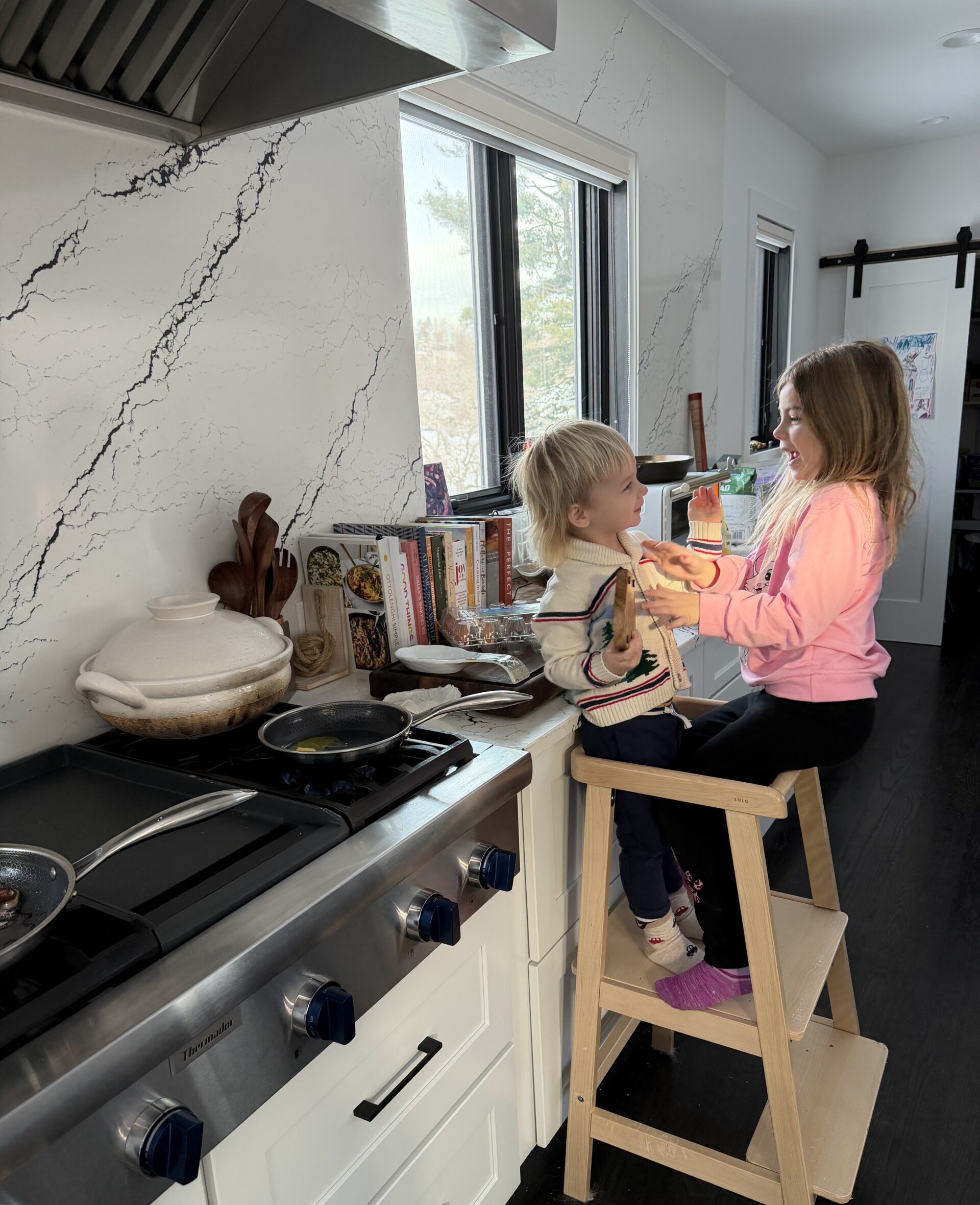
“Shhhh. Breathe with me,” I whispered in the ear of my sobbing 6-year-old. I wrapped her in a tight hug and gently rubbed one palm up (and down) her spine in rhythm to my slow inhales and exhales. I knew Ellery needed help calming down because she didn’t quite have the coping skills to do it on her own. Eventually, her breathing matched mine, her body relaxed, and she stopped crying.
Young kids have Ferrari-level emotions in Fiat frames. That’s a lot of power revving up in their little bodies, and they need to learn how to handle it without crashing. Research in the Psychological Bulletin shows that children who build coping skills have lower rates of anxiety, depression, aggression, and defiance, while kids who suppress feelings are more at risk. Here are 6 types of coping skills for kids, along with ideas on how to practice them with your child.
1. Problem-Solving: Teach your child how to tackle big problems.
Here’s how to practice this coping skill:
- Name the problem together. “It sounds like you’re frustrated because the puzzle piece won’t fit.”
- Brainstorm three options. Try another piece, rotate it, or set it aside and come back later.
- Choose one and try it. Let your child decide the next move.
- Follow up. Ask, “How did that work? Want to try another way?”
2. Emotional Awareness: Teach your child to identify and label emotions.
Here’s how to practice this coping skill:
- Use a feelings wheel. Print this one and hang it where your child can point to it when she’s upset.

- Build reflection into your routines. At dinner or bedtime, ask, “What was the best part of your day? The hardest part?” Or try the High Low Buffalo version.
- Give your child the words. Say, “I can see you’re feeling disappointed the game got canceled,” or share your own feelings. When you model it, your child learns it’s safe to name her feelings too.
3. Social Support: Teach your child to reach out for help.
Here’s how to practice this coping skill:
- Role-play asking for help. Many kids hesitate to ask for help in school. So, role-play together: “Mrs. Dorough, I’m stuck on this math problem. Can you show me?”
- Talk about healthy friendships. Discuss what makes a good friend, then encourage your child to hang out with kids who show those qualities.
- Identify safe people. Help your child name 2-3 trusted adults they can turn to if they feel upset at school, church, or home and need extra support.
4. Mindfulness: Teach your child to focus on the moment.
Here’s how to practice this coping skill:
- Try square breathing. In for four counts, hold for four, out for four, hold for four.
- Use a glitter jar. Fill a jar with water, glitter, and glue. When your child shakes it, watch the swirling glitter together until it settles, like his busy thoughts calming down. (This is a favorite in our home!)
- Play a grounding game. Ask your child, “Can you spot three things you see, two things you can hear, one thing you can feel right now?”
5. Physical Outlets: Teach your child to get moving to burn off stress.
Here’s how to practice this coping skill:
- Make playing outside part of your after-school routine. If it works for your family, build in time to run, climb, or play outside after school so your child can release energy after sitting all day.
- Help your child notice stress in his body. Say, “Do you feel a tight tummy, tight fists, or a fast heartbeat? That’s your body’s way of saying it needs to move and shake off those big feelings!”
- Go for a walk. When your child feels overwhelmed, invite her on a walk or bike ride to reset. Plus, it’s a great way to connect with each other.
6. Healthy Distraction: Teach your child to take brain breaks.
Here’s how to practice this coping skill:
- Offer creative outlets. Building with LEGO, drawing, or engaging in pretend play can help your child shift gears and release stress.
- Encourage relaxing downtime. Reading a favorite book or listening to music can calm a frazzled mind.
- Set screen limits with purpose. Allow short, timed breaks on screens, but be clear about the purpose by saying something like, “This is just a quick screen break to help your brain relax and recharge. After 15 minutes, we’ll come back and handle things together.”