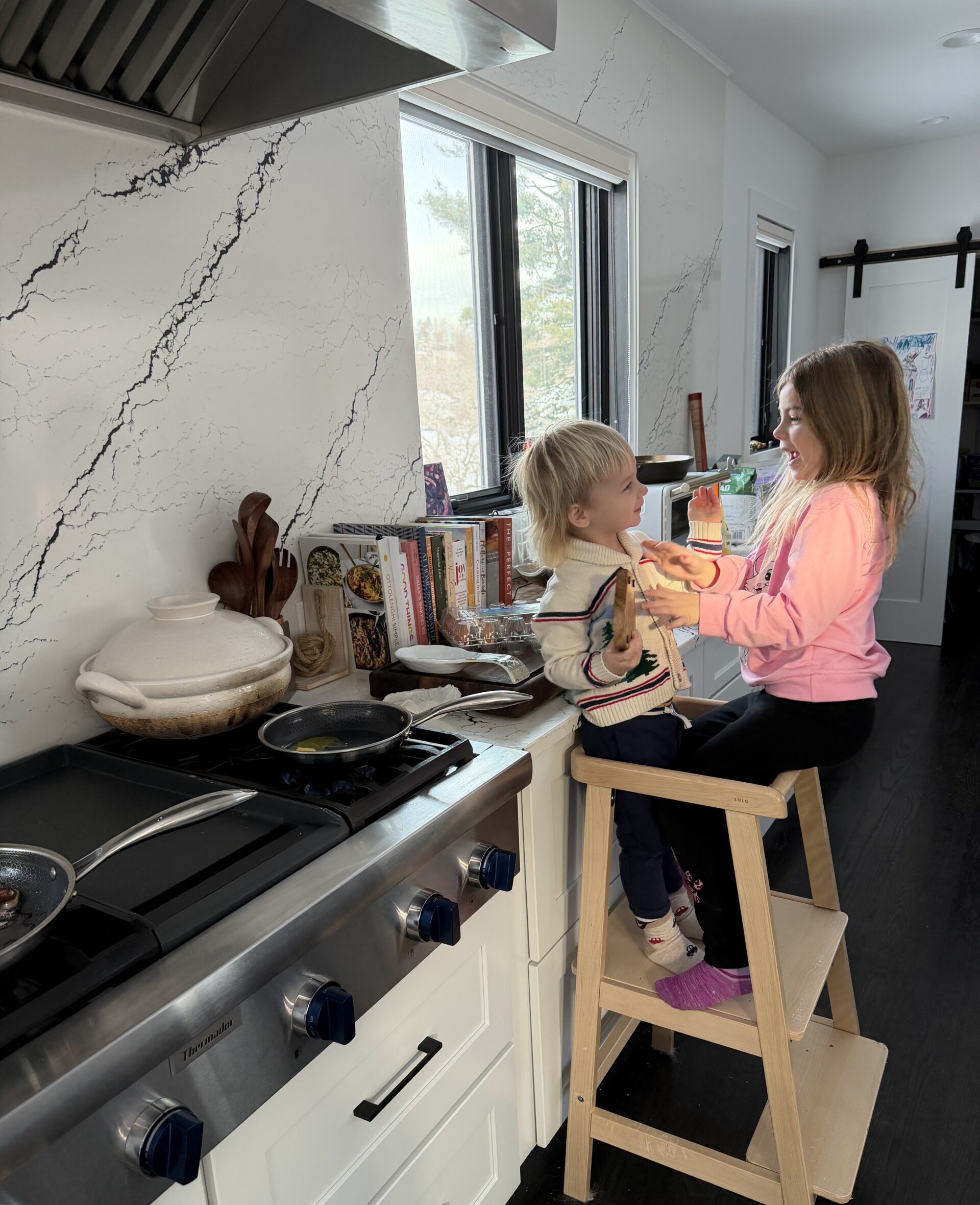
My first child fooled me into believing I was a natural at this whole baby thing. Turns out she was just an easy baby who, with her easy-baby-trickery, convinced us to try for another one. Welp, Baby Number 2 was easy to love but not so easy on the ears. During that first year, I became an advocate for normalizing co-crying. Some nights, my exhausted body wept tears as my mind tried to decode her cries.
It’s normal to feel overwhelmed when your baby won’t stop crying. You’re both new to this relationship. Be kind to yourself. With time, you’ll get better at recognizing what your baby needs. While every child is different, babies typically cry for a few common reasons. So, ask yourself these 5 questions (and try the tips) to figure out how to calm a crying infant and meet your little one’s needs.
1. Is your baby hungry?
Hunger is one of the most common reasons babies cry, and newborns especially need to eat frequently. Signs your baby might be hungry include rooting (turning her head toward your hand or chest), sucking on her hands, or making smacking noises. During growth spurts—around 10 days, 2–3 weeks, 6 weeks, 3 months, 4 months, 6 months, and 9 months—your baby may feed more often, sometimes in clusters.
Premature babies or those with medical conditions may have different feeding needs, so if hunger cues are unclear or feeding is challenging, talk to your pediatrician or lactation consultant.
Try this: If your baby won’t stop crying, offer her a bottle or nursing session. If feeding doesn’t soothe her, she might be sucking for comfort or need something else.
2. Is your baby uncomfortable?
A wet diaper, trapped gas, or even an itchy outfit can turn a happy baby into a fussy one. If your baby has been fed but is still crying, check for these common discomforts:
- Diaper rash: Look for redness or irritation. A diaper change and soothing rash cream can help.
- Gas or colic: Try burping your baby, gentle tummy massages, or bicycle leg movements. Preemies or babies with reflux may need extra burping breaks. Our youngest daughter suffered from reflux and needed to be held upright for 30 minutes after eating.
- Teething: If your baby is around 3–6 months and drooling more, sore gums might be the cause. Offer a teething toy or cool washcloth.
- Clothing issues: Tags, rough fabric, or tight waistbands can irritate sensitive skin. Switch to soft, seamless clothing.
- Too hot or too cold: Feel your baby’s neck to ensure he’s not too hot or cold. Adjust his clothing or room temperature as needed.
3. Is your baby overstimulated?
Newborns are still adjusting to the world, and too much activity, noise, or even light can overwhelm them. If your baby is fussing, turning her head away, or clenching her fists, she might need a break.
Try this:
- Give her a break: Move to a quiet, dimly lit room to help her reset.
- Swaddling: Wrapping your baby snugly can mimic the womb and provide security. (Premature or medically fragile babies may prefer a looser swaddle.)
- White or pink noise: A sound machine or a gentle “shhh” from you can be soothing.
- Babywearing: Carrying your baby in a sling or carrier provides comfort and reduces overstimulation.
- Rocking or bouncing: Gentle movement can help calm her.
- Kangaroo care: Skin-to-skin contact regulates temperature and breathing and offers comfort. It can be particularly soothing for premature babies.
4. Is your baby bored?
Yep. Babies can get bored, too. If your little one is crying but isn’t hungry, uncomfortable, or overstimulated, he might need more interaction.
Try this:
- Tummy time: Strengthens muscles and offers your baby a different view of the room.
- Singing or talking: Your voice is her favorite sound. Try nursery rhymes, singing your favorite song, or just chat about your day.
- High-contrast toys or books: Bold patterns and faces captivate babies.
- Soft play mats with hanging toys: Give her something to look at and reach for.
- Play games: (Nope. Not Candy Land!) Try classic peek-a-boo, pat-a-cake, or one of these games for babies you’ll both love.
- Adaptive play: For babies with special needs, try sensory-friendly toys or textures they enjoy.
5. Is your baby tired?
Sometimes, babies cry simply because they need to sleep. (Don’t we all at this stage?!) But, ironically, an overtired baby can have a harder time settling down. So, if after running through the other questions you’re still trying to figure out how to calm a crying infant, look for signs like rubbing his eyes, yawning, or becoming extra fussy.
Then, try this:
- Use gentle rocking or swaying motions.
- Offer a pacifier if he uses one.
- Place him in his sleep space when drowsy but still awake to encourage self-soothing.
- Begin a nightly calming bedtime routine with dim lights and soft lullabies. It’s never too early to start.
- For babies with medical needs, follow any sleep recommendations provided by your pediatrician, such as specific sleep positions or soothing techniques.
At the end of the day (or in the middle of the night!), every baby is different, and sometimes, nothing works right away. If you’ve run through these questions and your baby won’t stop crying, take a deep breath. You’re doing your best, and that’s enough. This season is tough, but it won’t last forever. Promise.
Would you add anything to the list about how to calm a crying infant?