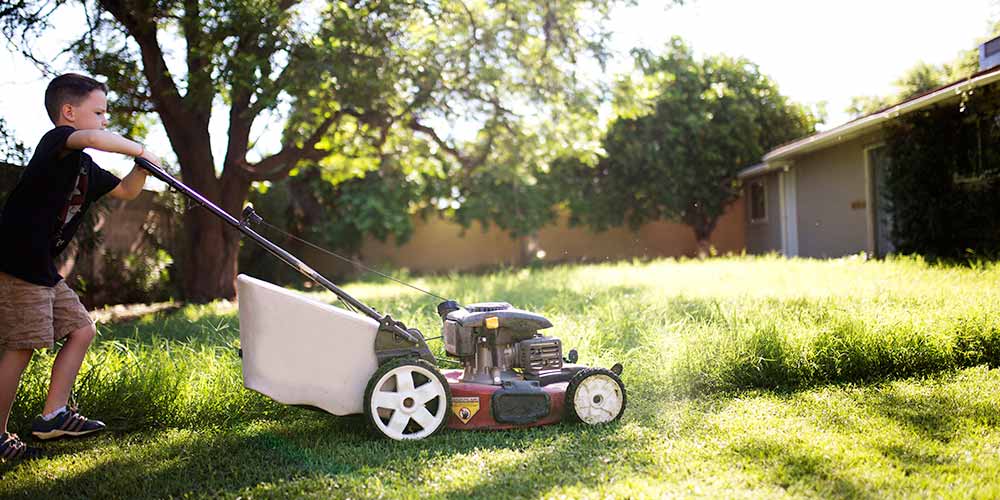
Most days, my sister and I would come home from school to see a list of chores on the counter. We weren’t the best housekeepers. On more than one occasion, we ran the vacuum cleaner without turning it on just to get the track marks on the carpet. Think we fooled our mom? (We didn’t.) She kept giving us chores anyway. Looking back, I realize she wasn’t just trying to keep the house clean. She was teaching us responsibility, perseverance, and how to do our part.
Knowing your kids should do chores is the easy part. Knowing how to delegate chores in the household so they actually get done is where it gets tricky. Here are 7 smart ways to assign chores, plus what your child will pick up besides those dirty clothes.
1. Let the kids divide up the chores themselves.
“The wastebaskets need to be emptied, the lawn needs to be mowed, and the dishwasher needs to be unloaded. You guys decide how to divvy these up.” My friend said she gave that order and listened as her three kids decided who would do what. They compromised, negotiated a little, and got the work done.
What This Builds: Cooperation
Kids can discuss each other’s strengths and interests and learn how different personalities help contribute to a job well done.
2. Create specialists.
When your kids are old enough, give out titles that make them specialists. The “Trash Specialist” is responsible for taking out the trash, pulling the cans to and from the curb, and adding bags to the grocery list when you run low. It’s his job from start to finish.
What This Builds: Accountability
Empower your child to manage a job himself. Once he gets it down pat, you’ll have one less thing to worry about!
3. Stay hands-off with low-risk chores.
My kids started doing their own laundry this year. That means they’ll have wrinkled shirts if they leave the load in the dryer for 12 hours. If they put the chore off for a week, it’ll be more like three loads instead of one small manageable one.
What This Builds: Responsibility
Let chores teach natural consequences. This means you might have to bite your tongue and let them make a misstep, but that’s exactly where the lesson is.
4. Post a chore chart that’s visible to everyone.
Some days, everyone in my house goes in separate directions like we’re a bunch of roommates. I appreciate a family chore chart because it’s like a team roster or a visual reminder that everyone is needed to make the household function. That creates family loyalty and a sense of belonging.
What This Builds: A Sense of Belonging
When the chore chart has all the boxes checked, celebrate! Each person has played a role and contributed to the win.
5. Set clear expectations.
I’m learning the hard way that my definition of a picked-up room differs from my 10-year-old son’s. I want the bookshelf to be tidy and the floor under the dresser to be all clear. He thinks putting clothes in the hamper is good enough. I have to communicate what “picked up” means, so he can feel he can do the job well.
What This Builds: Confidence
Setting clear expectations is one of the most important parts of knowing how to delegate chores in the household. No one wants to work toward unclear goals, and not being specific only creates frustrated kids who question if they’re capable.
6. Occasionally assign grunt work.
My kids still whine about the time I made them scrub the baseboards. One says, “We had to get on our hands and knees!” The other chimes in with “Yeah! Around the whole house!” as if he’s corroborating his brother’s traumatic story. But in the subtext of the whine, I note a little glimmer of pride that they accomplished a task that is universally undesirable.
What This Builds: Work Ethic
The occasional challenging or icky chore goes a long way. Acknowledge the effort it took. It shows kids they have it in them to do something hard.
7. Give a window of time.
While it’s nice if chores get done on your timeline, you might find that giving your kids some wiggle room will help them approach chores more eagerly. I often write a list for my sons and say, “All of these need to be done in three hours. You can do them now or wait. It’s up to you.”
What This Builds: Self-Management
Give your children autonomy over when and how they get their chores done. Allowing them to manage their own time and tasks is a gift that will benefit them well into the future.
One Last Thing About That Chore List
I thought the chore list on the counter was a universal mom thing. It’s not. In a survey of 1,000 adults, 82 percent said they had regular chores growing up, but only 28 percent require their own kids to do them. Figuring out how to delegate chores in the household might be the most underrated parenting move there is. They worked on me. Eventually. And they will on my kids (and yours) too. Eventually.
What is your best tip for assigning chores so they’ll benefit your kids?