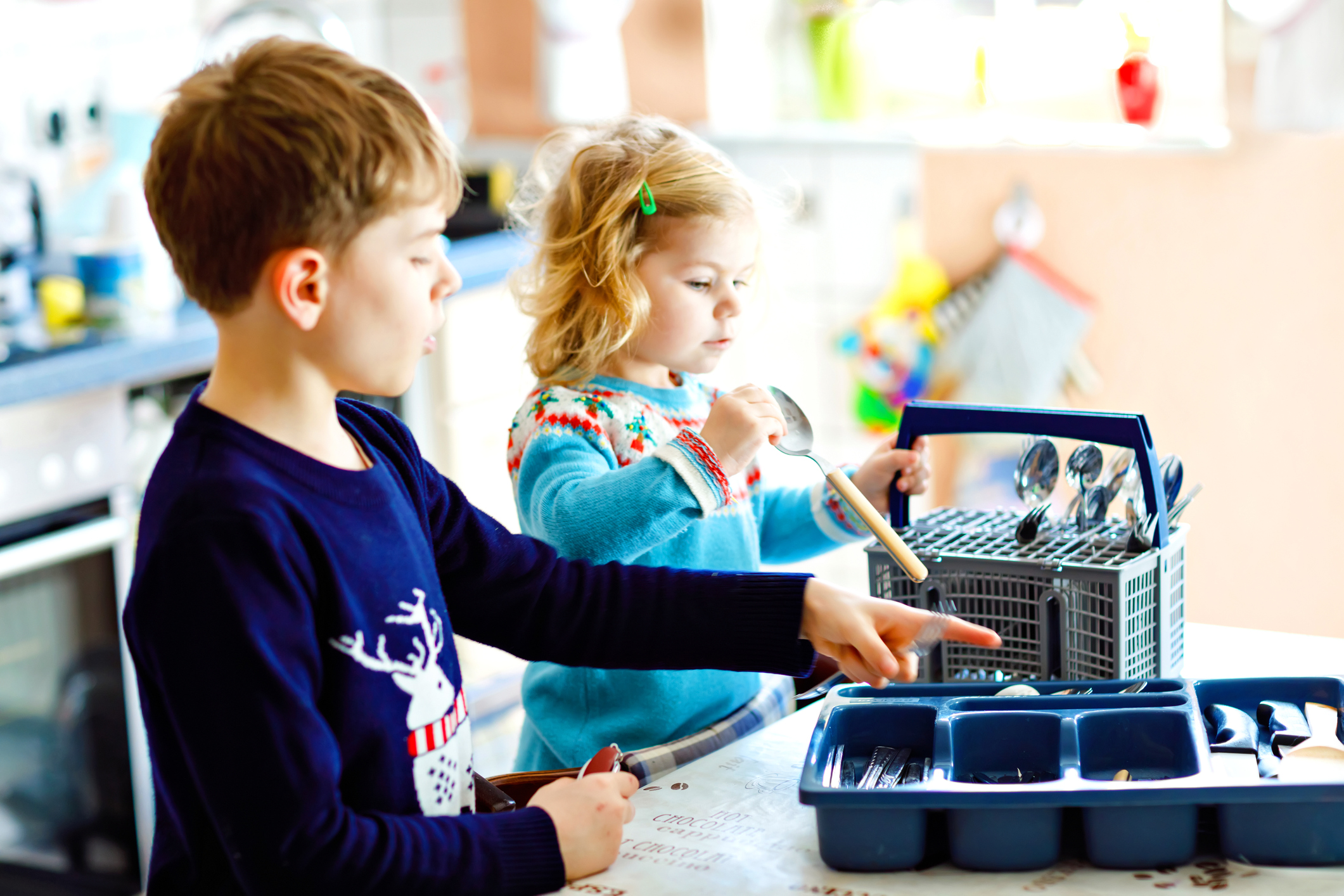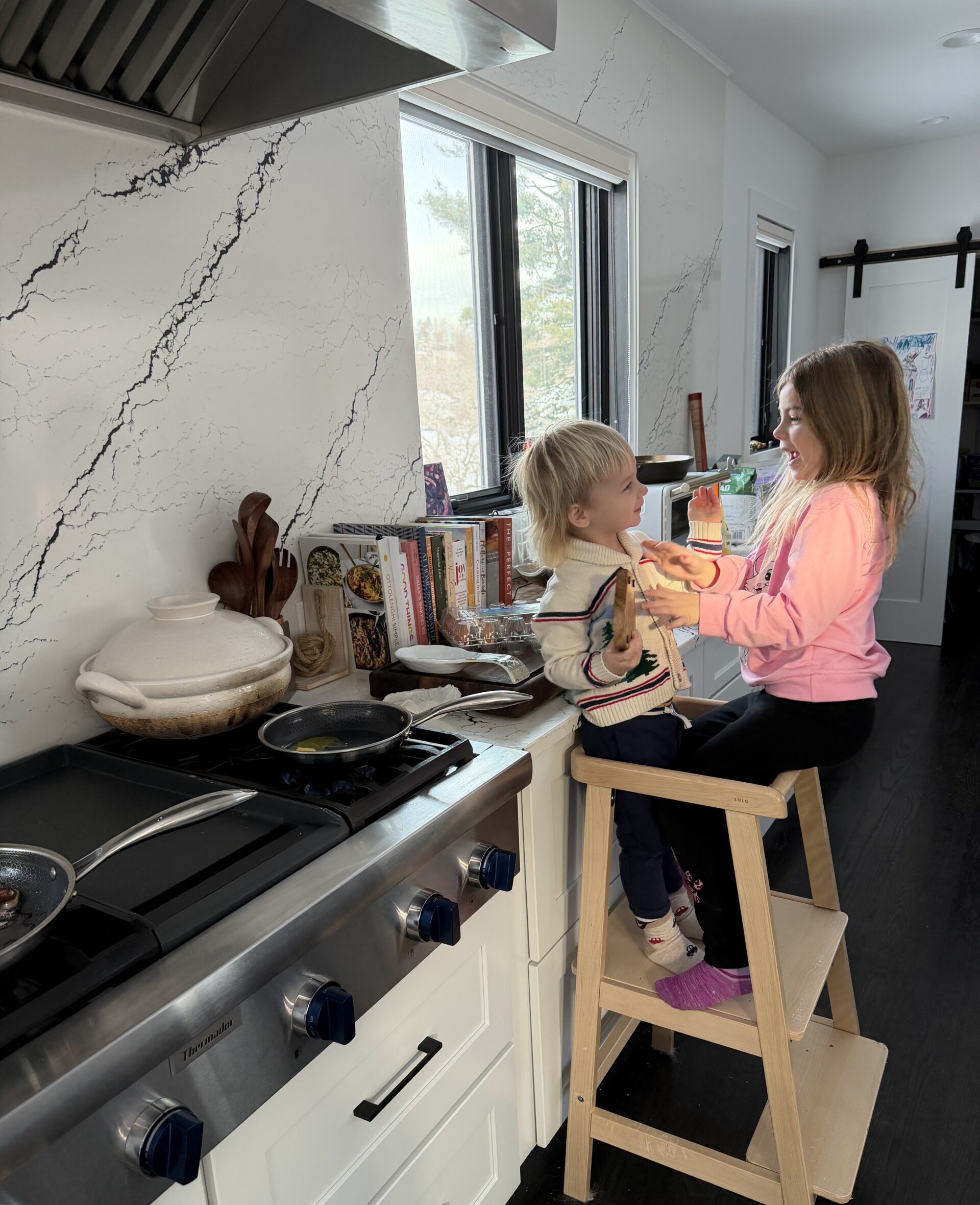
When you have a stubborn child digging her heels in, refusing to clear her dishes or brush her teeth, you may feel super frustrated, wondering, How on Earth can I get her to cooperate? It might feel like nothing works. And things only get worse when your child’s overtired and you’re at the end of the day. But we still want our kids to do what they’re told. Really, is telling her to put her shoes by the door too much to ask?
No, of course not. But if your child’s stubbornness is getting in the way, you may want it to change. How can you make that happen? Whether it’s uncooperativeness, self-centeredness, laziness, or some other vice you want to change in your child, there are some strategies you can think about. If you’re hoping to attain better results with a kid who refuses to change, try these 5 tricks.
1. Accept who your child is.
My friend jokes that her daughter “has a mind of her own.” I can tell she admires this trait in her child, but at the same time, it also frustrates her when it shows up as stubbornness and a refusal to do what she’s told. But as a tween, this girl has remarkably stuck to her preferences for clothing style and interests rather than adopting the questionable trends of other girls her age. For that, my friend is truly grateful.
With a kid who refuses to change, look for the positive side of a particular trait. A strong-willed child is determined. A lazy child enjoys living in the moment. A self-centered child still needs time to mature.
2. Accept that parenting is hard.
“Every stage has its challenges.” Have you heard this bit of wisdom? As a toddler, my daughter loved helping me unload the dishwasher so much that one day, she dropped a plate and broke her big toe. I felt like we were in the ER every other month at that age for broken bones, allergic reactions, or stitches because my kids just had so much going on. Fast-forward a decade, and now she hates unloading the dishwasher, but when something’s bothering her (like a sore leg), she can clearly tell me what’s up. Kids change! And our parenting has to change with them.
At some stages, it’s easier to teach certain values than others. Your child may not be selfless or self-motivated quite yet, but you can keep working with her. Some things take more time than others to click.
3. Fix any assumptions.
As a kid, I dutifully wrote down my homework assignments in a planner. So, I was surprised to find that my child didn’t do this. After talking to her, I learned that the teacher didn’t utilize the planner in class. My child wasn’t being lazy. Rather, no one had taught her how beneficial a planner is for keeping track of homework.
Sometimes we make assumptions about our kids. We may think they’re old enough to open their own milk cartons but realize later they just don’t have the dexterity. Or maybe we think they should’ve asked for help from the teacher, but didn’t realize they had a sub in class all week. Making sure we know the facts before assuming our child’s being disobedient or lazy can improve your relationship. And being realistic about what our kids can do at each stage can also improve your understanding of your child.
4. Change your delivery.
“Bella!” the Girl Scout leader shouted at her daughter during the meeting. “Pull your dress down! No one wants to see your underwear.” Bella turned bright pink as the other girls went silent. I felt for her. Embarrassing your daughter isn’t the way to go.
How we speak to our kids matters. We may get frustrated at times, but ordering them around like a staff sergeant doesn’t make them more willing to cooperate. Rather, let’s strive to be kind and empathetic. This tends to get a much better response: “I can see you’re reading, but can you please empty the dishwasher when you get to the end of the chapter?”
5. Change your response.
Most people like to feel appreciated, and kids are no exception. “Thank you for picking up your clothes. I’m glad I only had to ask once.” When we acknowledge their good behavior, we reinforce what we want to see in the future. Even if there’s a struggle, when your child finally complies, acknowledge it. Separating our anger or frustration from our words is hard. But if we can eliminate the negative emotion from feedback, it’ll help motivate our kids to do better.
With a kid who refuses to change, sometimes it takes a different approach and a little more prayer. But with consistency and patience, you can bring out the best in both of you.
How else can we positively influence a kid who refuses to change?