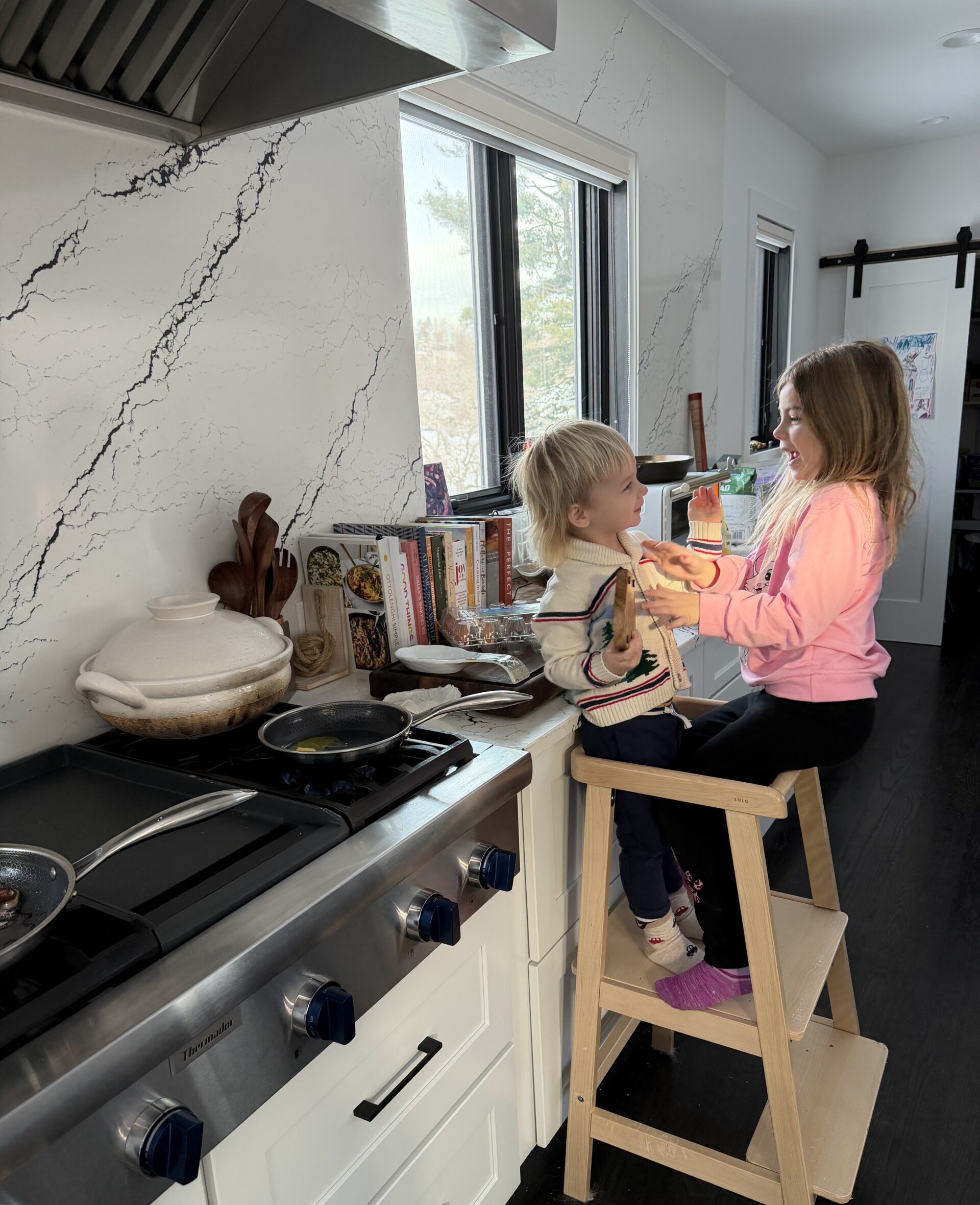
One evening, my husband made the mistake of asking what else I needed from him before he could sit on the couch and veg. Bless his heart. The pressure had been building, and I rattled off a litany of things that had to happen before I felt free to relax. When I got to “figure out how to get the kids to floss more,” he knew this wasn’t the typical to-do list. It was the invisible load of motherhood, and it was weighing on me.
No matter the level of involvement we experience—from husbands, co-parents, family, or friends—moms almost always carry a greater burden, and the burden is often unseen. It’s the constant awareness of what our kids need, physically and emotionally, and I think it starts when we get a positive pregnancy test. I don’t think it will ever go away, but it can get lighter. Here’s how the invisible load of motherhood weighs on us and how to ease the burden.
What does the invisible load of motherhood feel like?
The invisible load of motherhood weighs on us physically, mentally, and emotionally.
1. Physically
- tired arms from holding kids who you should put down, while knowing your children are only little for so long
- exhaustion from hustling around the kitchen, packing lunches (and remembering what everyone likes and dislikes), while prepping dinner, settling a fight over a hair tie, and quizzing on spelling words
- fatigue from waking up multiple times during the night—whether it’s a kid’s bad dream, a teen wanting to talk at 11 p.m., or your own worried thoughts shaking you awake at 2 a.m.
- sore backs and knees from bending down to pick up toys, tie shoes, or drag the wagon-full of soccer snacks for the team
- the physical drain of being “on call” 24/7, always listening for a cry, a cough, or a call for “Mom!”
2. Mentally
- a running inventory of all the household supplies and needs, from toilet paper to tortilla chips
- keeping track of everyone’s schedules—who has practice when, which permission slips are due, what snacks you signed up to bring, and whose turn it is for carpool
- remembering the stuff no one else tracks: when the last dentist appointment was, which outgrown clothes need to be donated, whose birthday party is coming up, and what gift they’d like
- carrying the emotional temperature of your household by noticing when your daughter had a rough day at school, even when she says “fine,” or sensing your son is being left out by his friend group
- decision fatigue from the hundreds of tiny choices every day (What’s for breakfast? Which outfit for picture day? Can she go to the slumber party? Is now a good time for that hard conversation?)
3. Emotionally
- an ache in your heart when your kid is left out, bullied, or struggling—and knowing you can’t fix it for them
- guilt related to your son’s offhand comment that he doesn’t have the trendy shoes, and you feel bad you can’t afford to buy your kids whatever they want
- the loneliness of making hard parenting calls that no one else sees or understands, wondering if you’re the only one who feels this overwhelmed
- grief over the stages that are ending, even while you’re exhausted by the stage you’re in
- worry that keeps you up at night: about their friendships, their futures, whether you’re doing enough, whether you’re doing too much
Where are the dads?
The invisible load of motherhood has nothing to do with blame. It’s just acknowledging what many of us experience. Whether you have a supportive husband or co-parent, or you’re doing this solo, moms tend to carry more of the mental and emotional weight. It’s the nature of motherhood.
Yes, it’s a privilege to be so tuned in to our kids’ needs. But that doesn’t mean we don’t get tired or can’t ask for help to make it more manageable. We can’t eliminate the load entirely, but we can absolutely make it lighter.
How to Manage the Motherload
1. Remember the phase they’re in.
Don’t give up on asking for respect from your teen, but release some of the emotional burden by remembering he’s at a difficult age and it won’t last forever.
2. Automate what you can.
Set the kids’ next dentist appointments before you leave the current one, put things you buy regularly on auto-ship, and use chore charts like this one to help your kids manage their own responsibilities.
3. Release some control to your husband.
Put him in charge of gifts for birthday parties. If the invitation is on the fridge, it’s his job to research what the child wants and make the purchase.
4. Narrate your task.
Help your kids understand your workflow by speaking your intentions out loud. A simple, “Once I finish this last basket of laundry, I can’t wait to sit down and watch this with you,” is a great way to encourage patience and helpfulness without any pressure.
5. Don’t procrastinate.
Some mental burdens are there because we put off a task. Don’t wait to send the email about the parent-teacher conference. When it pops into your mind, stop what you’re doing and get it done.
6. Accept good enough.
Once you find a children’s vitamin you like, stop researching. You could probably find something better, but what you’ve picked is good enough, so move on.
7. Get emotional support.
Talk it out with friends. A group of moms sharing their individual loads somehow lightens everyone’s.
8. Pray.
I have pinned up in my kitchen: “Cast your burdens on the Lord because He cares for you.” Don’t underestimate the power of asking God to help you with the things you can’t carry. He wants to carry them for you.
How do you feel the invisible load of motherhood?