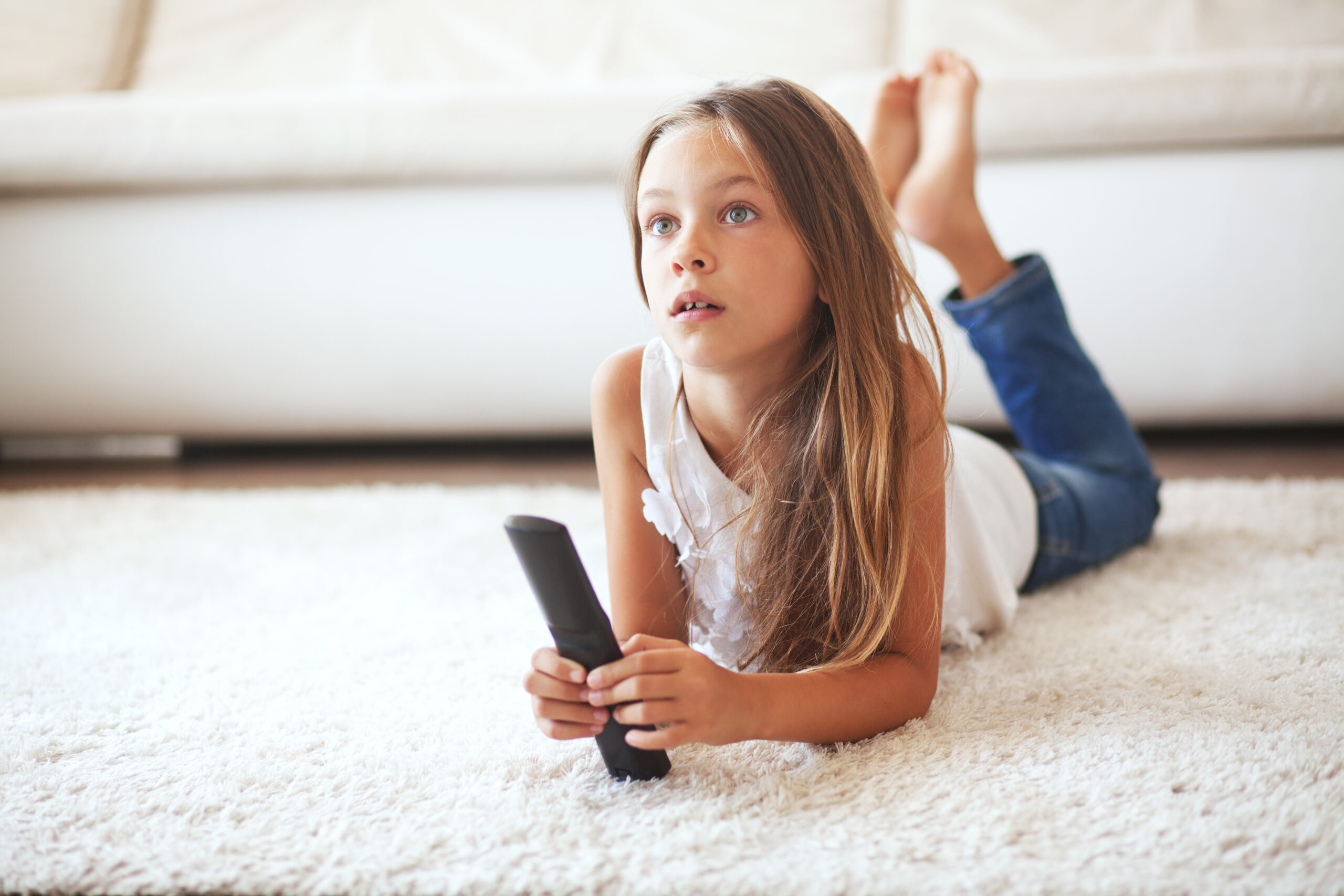
“Can I play on my Switch?” He already had it in his hands. I wanted to say no, but I knew he needed time to decompress. And playing video games was his favorite way to chill. The problem was that his Switch had become his go-to activity after school. If I said no, the next question would be, “Can I watch a show?” I didn’t like this constant battle of revolving screens and trying to keep track of how much screen time was too much. I really needed a better after-school plan.
Do you have after-school screen struggles too? Are you torn like I am on how to handle a healthy mix of screen and non-screen activities? At iMOM, we totally get you. Here’s how to handle after-school screen time for kids in a realistic way.
1. Reframe after-school goals.
My child’s drained at the end of the school day. Not unusual for most kids. But because I don’t want the answer to always be screens, I’ve started reframing the after-school block of time in terms of goals. What do I want for him? I know he needs time to recharge, but what can that look like? Time with family? Physical activity? Fresh air? Reading or drawing? Even sitting with me to chat and eat a snack would be beneficial. Some days, a screen will work. But reframing the after-school hours on most days as opportunities instead of all about limits and restrictions can make that time more fun for everyone.
The realistic view: Screens aren’t the only way to relax, but one of several options.
2. Create a buffer zone.
On days when I’m worn out or it’s too cold, I tend to cave with screens. And that’s OK. Some days just call for a little more flexibility. A good strategy you can employ on these days is utilizing screen time as a buffer between school and something else. Your child’s happy, but after 20-30 minutes of decompression, it’s time to switch gears. Make sure she knows this from the get-go. And then set a visible timer to go off when screen time is done. Make an announcement like this one after the buzzer: “OK, time’s up! Let’s have a snack now in the kitchen.” Or you can encourage play time, homework time, or something else.
The realistic view: Having a buffer zone after school gives your child what she craves but doesn’t let screens take over.
3. Create screen-free time blocks, not free-for-all hours.
If your child uses a laptop for homework, video games for fun, and possibly a phone for socializing, you may feel like he’s always attached to tech. Instead of banning screens for long chunks of time, set limits around situations. For example, no screens while we eat dinner from 5-6 p.m. Or no screens from 7-8 as we wind down for bed. Keeping screens off for important activities like homework, family games, and car rides makes the screen-time limits feel more doable for kids.
The realistic view: Having screen-free chunks of time helps kids find balance in their days.
4. Buddy up with boredom.
One of the arguments kids make for screens is, “I’m bored!” But no one needs constant entertainment. Kids who spend a lot of time on screens don’t have much time for mental breaks. They have less time to contemplate and reflect on their lives. Boredom is when their brains have a chance to process learning from the day. They might think about the math lesson or the conflict they had with a peer and try to make sense of it. This is important for growth and development.
The realistic view: Screen time is fun. But saying no to screens when our kids are bored is good for their brain development.
5. Say “Yes, after” instead of “No.”
Realistically, screens will forever be a part of our kids’ lives. Teaching them how to prioritize and manage their time will be a skill they’ll use in high school, college, and beyond. Instead of just saying no to screens after school, say “Yes, after you play outside for an hour” or “Yes, after you get your reading homework done.” Set boundaries on screen time to make it clear to your child what is most important for his wellbeing or his academic success. Making it clear to him while he’s young that there’s time for screens alongside physical fitness, educational goals, or whatever else you prioritize will help him absorb those values, too.
The realistic view: Instead of eliminating screens, teach your child how to balance what has to get done with what kids want to get done.
Screen time for kids doesn’t have to be a battle. Which strategy will you try first?