Tinkertoys kept Emmy from taking a nap. Well, that’s what she claimed when I poked my head in her bedroom to tell her to settle down. Apparently, those pesky pieces kept leaping on her bed and forcing her to build a castle. At that moment, I knew her need to play (and my need for her to rest) could use a little meet-in-the-middle moment. So, I conceded: “As long as you don’t wake up your sister.”
Play isn’t just about keeping our little ones busy (or cleverly avoiding naptime). It’s how children decode their world, discover who they are, and figure out how they fit into their family. Whether it’s building imaginary castles or talking to stuffed animals, each playful moment shapes who our children become. Discover the 8 types of play that will power your child’s learning and development.
1. Constructive Play
Constructive play happens when children use materials to build, create, and make their own designs. It’s any activity where they’re putting things together or making something new.
How it fuels your child’s growth: During constructive play, your child develops problem-solving skills (like figuring out how to balance blocks to build a taller tower), fine motor skills (through manipulating small objects), and early math concepts (through sorting and patterns). Plus, all that designing builds confidence and creativity!
Playful Possibilities:
- Build with blocks or LEGO pieces.
- Put together age-appropriate puzzles.
- Make a fort out of pillows and blankets.
2. Physical Play
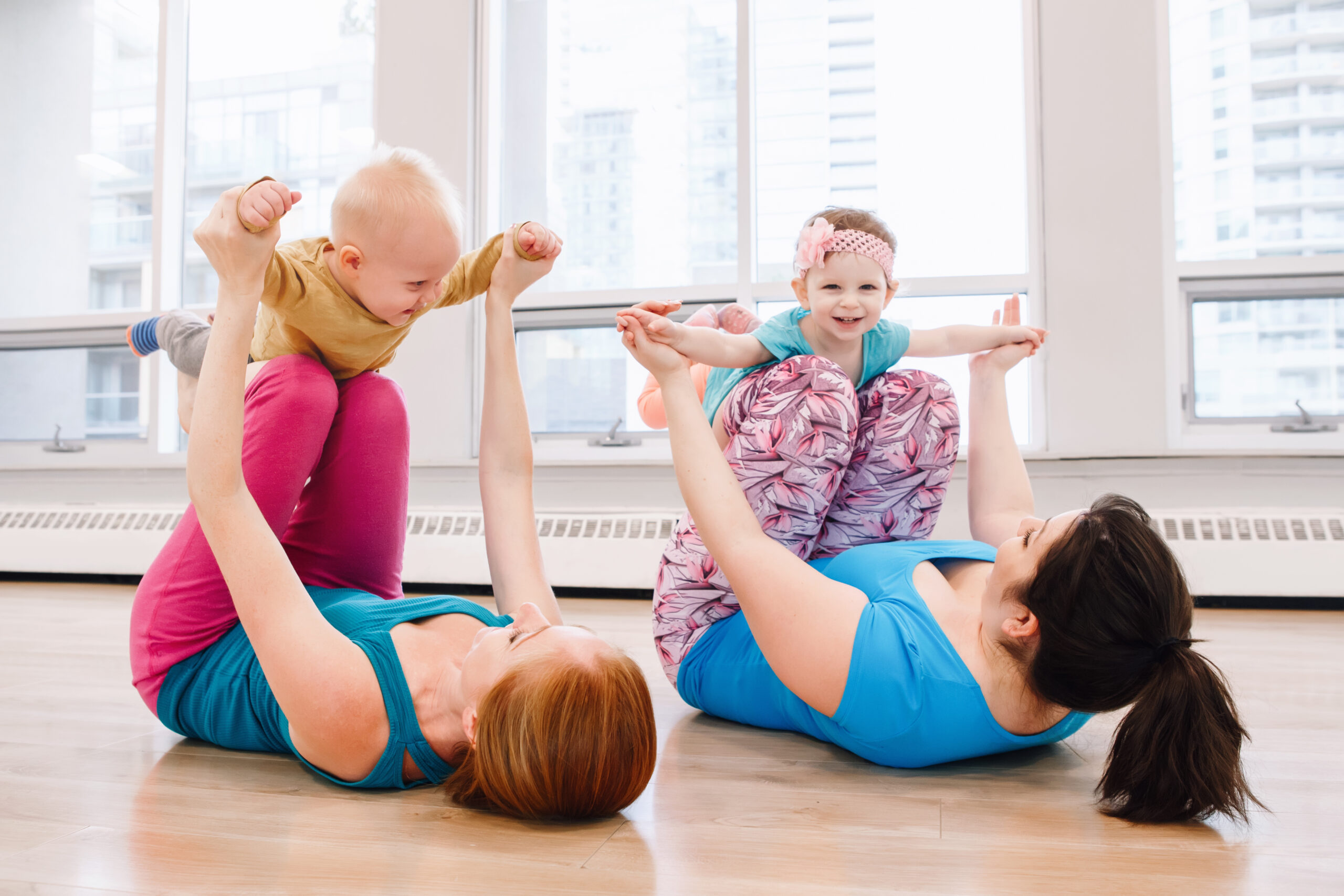
When children use their bodies to move, explore, and interact with their world, that’s physical play.
How it fuels your child’s growth: Through physical play, your child develops gross motor skills, balance, and coordination. He also builds strength, spatial awareness, and confidence in the things his body can do. Plus, active play helps regulate energy levels and encourages better sleep.
Playful Possibilities:
- Turn up the music and dance (or run) around the house. (Little kids can’t resist moving to this song.)
- Play animal kingdom. Let him hop like a bunny, stomp like an elephant, or crawl like a bear.
- Go puddle-jumping.
3. Pretend Play
As one of the essential types of play, pretend play emerges when children use their imagination to step into different characters and create scenarios. Although every child develops at a unique pace, pretend play typically starts around 18 months and begins to hit its stride between ages 3 and 5.
How it fuels your child’s growth: When your child pretends, she’s practicing essential life skills! She’s figuring out how to walk in someone else’s shoes (sometimes literally, if she’s stomping around in yours!), processing her emotions, and developing social and language skills.
Playful Possibilities:
- Play Post Office with junk mail and a recycled box.
- Act out your version of Freaky Friday by switching roles with your little one.
- Break out the dress-up box.
4. Social Play
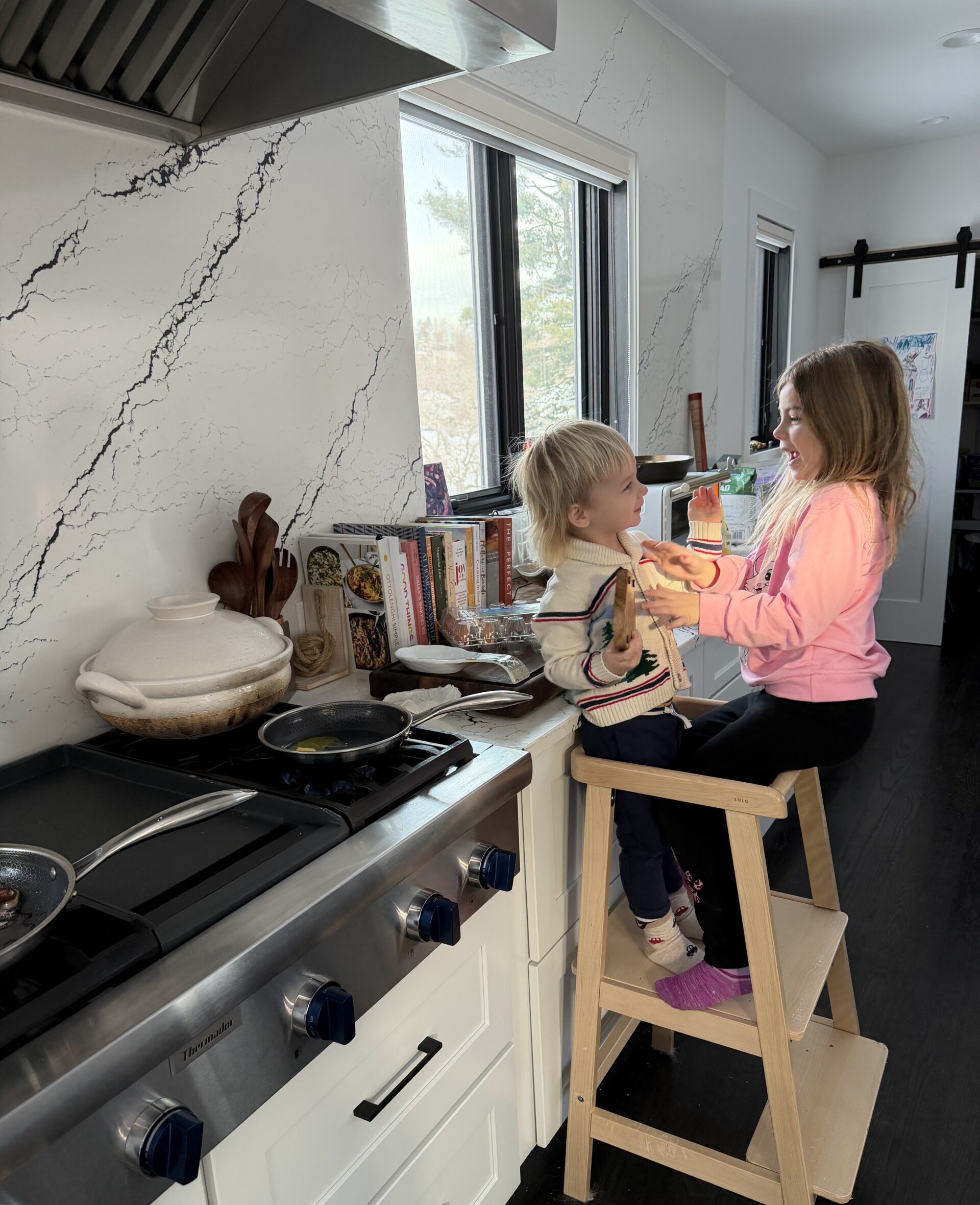
Social play involves interacting with others, whether it’s siblings, friends, a larger playgroup, or a new bestie on the playground.
How it fuels your child’s growth: Think of social play as your child’s master class in human connection. Yes, he’ll practice sharing and taking turns. But he’ll also learn how to read others’ feelings and respond appropriately, work through conflicts and find solutions, and manage emotions when things don’t go his way. Watch for your child’s social comfort level and gradually stretch it. Start with one-on-one playdates before moving to larger groups. These ideas can get you started.
Playful Possibilities:
- Play simple board games that teach turn-taking and gracefully handling both winning and losing.
- Set up “parallel play” stations (like art or blocks) where your child can work independently next to another child while gradually learning to interact.
- Head to the park where your child can practice turn-taking with the swings and invite a new friend to play pirates on the slide.
5. Sensory Play
Sensory play includes any activity stimulating your child’s classic five senses—touch, smell, taste, sight, and hearing. It’s all about exploring different textures, sounds, and sensations.
How it fuels your child’s growth: The more senses your child uses when learning, the stronger the neural pathway becomes in his brain. When your little one squishes playdough or pours water between cups, she’s processing her world, developing problem-solving skills, and even learning to regulate her emotions (which explains why activities like water play can be so wonderfully calming!).
Playful Possibilities:
- Give your child cups and funnels to play with in the bathtub or at a water table.
- Pull out the finger paints or playdough.
- Work in two types of play by chasing bubbles barefoot in the grass.
6. Music and Movement Play
This type of play combines physical movement with rhythm, melody, and sound. It includes dancing, singing, making music, and moving to rhythms.
How it fuels your child’s growth: Music and movement play develops listening skills, coordination, and rhythm awareness. It supports your child’s language development, early math, memory, and emotional expression. Plus, it’s a natural mood booster for you both.
Playful Possibilities:
- Make a playlist of fast and slow songs. Encourage your child to move her body to different speeds.
- Play simple instruments and tap or shake out patterns.
- Sing classic action songs like “Head, Shoulders, Knees and Toes” or “Wheels on the Bus.”
7. Language Play
Language play involves more than just reading books. Every nursery rhyme, made-up word, silly noise, and song lets children explore language. Of all the types of play, it’s probably the easiest for moms to weave naturally into everyday moments.
How it fuels your child’s growth: Joyful word-rich experiences boost your child’s vocabulary and comprehension while developing crucial pre-reading and communication skills. Plus, he learns to express himself and to understand others.
Playful Possibilities:
- Read picture books together.
- Play with letter sounds during bath time. Time to pour in the BaBaBaBubbles!
- Play “I Spy” at the grocery store.
8. Independent Play
This type of play gives children the chance to engage in self-directed activities without constant adult involvement as they explore their environment on their own.
How it fuels your child’s growth: Solo play builds independence, self-reliance, and problem-solving skills. It helps your child develop concentration, creativity, and the ability to entertain herself. Independent play also gives your child time to process her experiences and emotions and develop her interests.
Playful Possibilities:
- Keep a basket of blocks, magnetic tiles, or other building materials in a designated spot where your child can construct without constant setup help.
- Put your child’s favorite books on a low shelf.
- Dump out the cars or action figures in the den while you make dinner.
What types of play does your child love best?