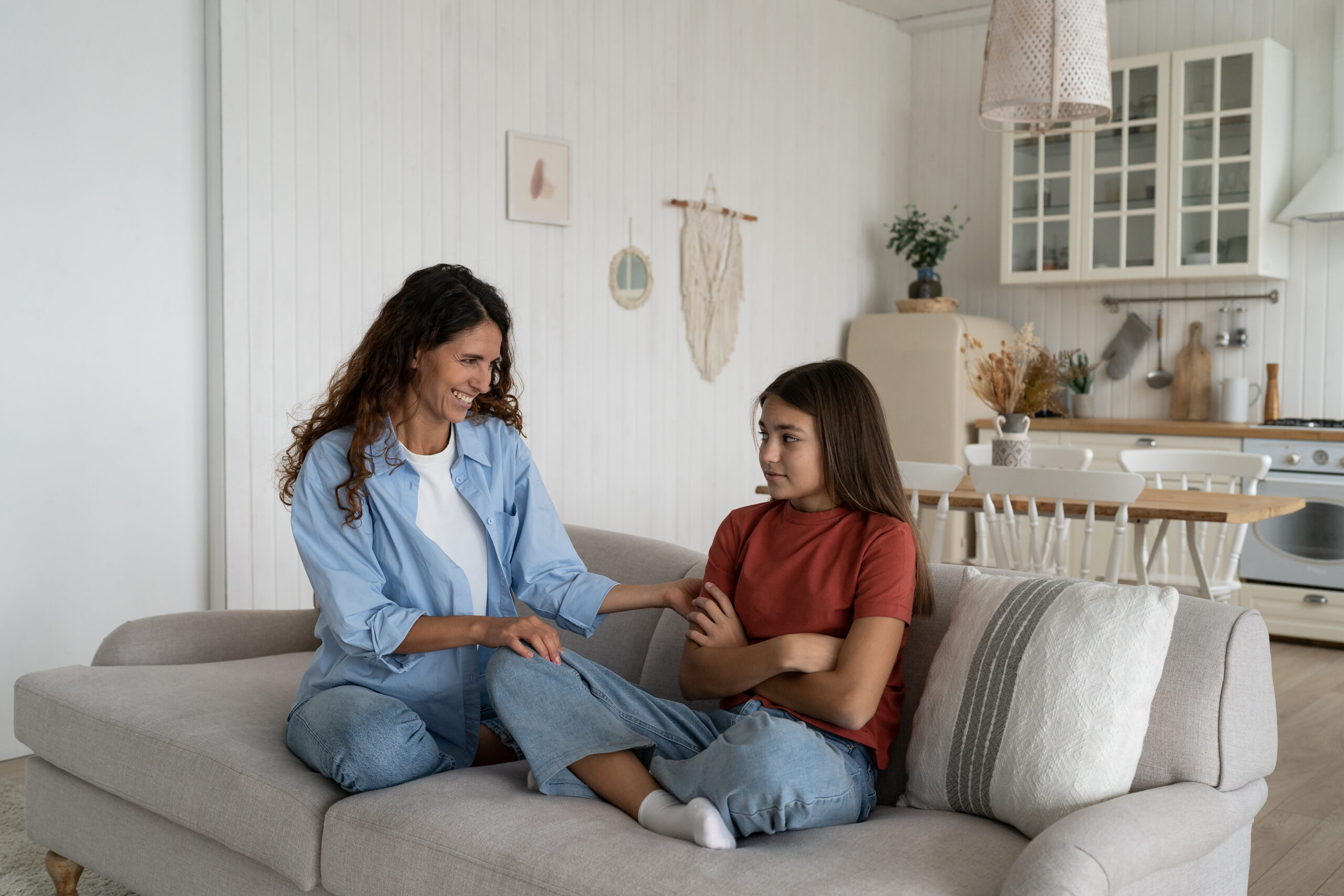
“What do you want?” My 11-year-old scowled as if I had an infectious disease. With only one toe in his room, I stopped cold. Lately, I’d been getting a lot of backtalk. But I’ve learned that sometimes, rudeness is a symptom of something else. Disrespectful kids often have other things going on that we need to address.
If you too are experiencing a certain amount of rudeness from your child, don’t lose hope! Disrespectful kids aren’t necessarily trying to offend us. Rather, they could be trying to tell us something. Here are 5 reasons your child’s being rude, and what you can do about it.
1. She wants attention.
Is she refusing to follow instructions? Is she talking back? Maybe she’s being rude or unkind to her little brother. Sometimes kids do these things because they want our attention. They’re trying to get you to notice them, even if it’s in a negative way. Look back on the day or week to figure out how much time you’ve spent together. While all kids are different, some need more time with you to fill their cup.
What to do: A strong connection with your kids can cut down on disrespectful behavior. Carve out one-on-one time each day. Listen to them and give your full attention when they seek you out. Play a game or do an activity they enjoy. But if you’re short on time, focus on quality over quantity. This can cut down on a kid’s need to act out to get noticed.
2. He’s testing boundaries.
Burping at the dinner table is one of those things that pushes my buttons. And what about the eyeroll? The dramatic sigh? It’s all disrespectful, rude behavior. Sometimes when kids do these things, they’re trying to see what they can get away with. As your child gets older, he might check to see whether your rules are still in place.
What to do: Be clear with your boundaries and rules, along with the consequences for rude behavior. Also, “Recognize times your child does behave in a respectful way toward you or others and make sure he knows you’re aware of it,” say Kim Abraham, LMSW and Marney Studaker-Cordner, LMSW. Being consistent with both rules and praise goes a long way in curbing rude behavior.
3. She’s imitating others.
If your child brings home new slang words to test out on you, she’s probably hearing them at school—or on social media. Kids are keen observers of those around them! So, if she’s surrounded by rude behaviors or disrespectful kids or adults, she may adopt some of these behaviors herself. Being careful with how you speak to others—including your child—is another thing to keep in mind.
What to do: Talk with your child about what friends she’s hanging around at school and check her screen activity if she has a laptop or phone. Set a good example for your child, even when you’re frustrated. Teach the importance of kindness and giving people the benefit of the doubt.
4. He’s seeking control.
When my son hopped in the car, I asked about his day. Then I asked about 10 more questions. I didn’t realize this bothered him until he started shutting down and only grunting in response. That’s when the ball moved to his court. He’d reply on his own terms. The grunts and, later, the silence felt rude. But I backed off. Over time, he started sharing more about his schooldays at dinner and at bedtime. Our relationship felt stronger when I stopped trying to control every conversation.
What to do: A disrespectful kid is sometimes sorting through difficult emotions under the surface. Take a look at the rude behavior and find opportunities to teach appropriate ways of communicating her needs and emotions.
5. Your child’s struggling with something deeper.
If your child snaps at you when he’s stressed, it could be a symptom of anxiety. “Anxiety heightens irritability, causing individuals to react more strongly to stressors, no matter how trivial,” according to AMP Mental Health. What he says in that moment when he can’t figure out a math problem, or is worrying about an upcoming social event, may come out rude, but is often unintentional and just a byproduct of feeling overwhelmed. Kids with ADHD may also come across as disrespectful or rude, but their behaviors often stem from challenges with self-control and executive functioning says PsychCentral.
What to do: If you know your child struggles with anxiety, ADHD, or another condition, it might help you approach his disrespectful behavior with more empathy and understanding. Try mirroring back to him his words or behavior: “You’re nervous” or “You don’t like sitting in this chair.” Feeling like you’re on his side might be enough to ease his difficult emotions and help you both move through it together.
Do you have a disrespectful kid? How have you handled the rudeness?